Catch a Glimpse of a Celestial Spectacle
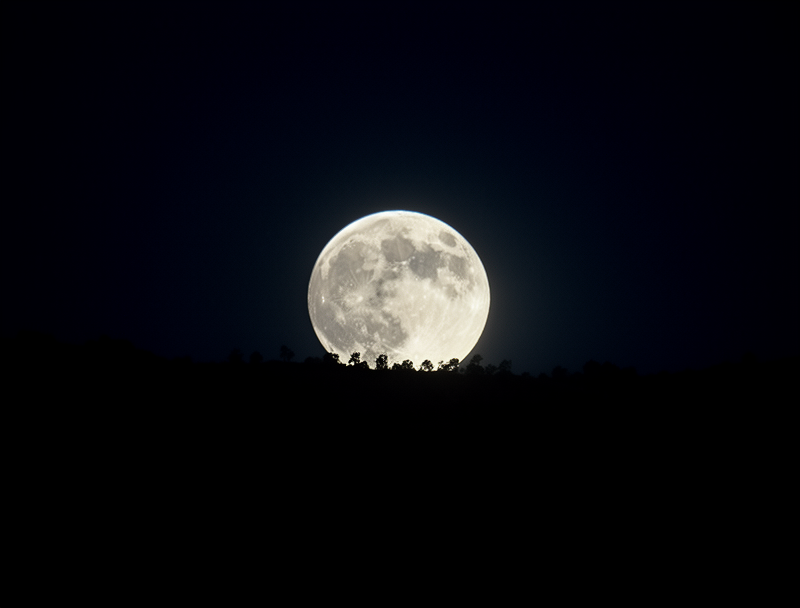
Astronomical enthusiasts and casual skywatchers alike have something exciting to anticipate as a special celestial event approaches our planet. According to a recent report shared by Forbes, there is a rare opportunity to observe a phenomenon known as a blue moon rising after sunset. This event promises to be a memorable moment for those who find themselves looking up at the night sky this week. The concept of a blue moon has captured public imagination for centuries, serving as a reminder of the regular rhythms that govern our world. For those interested in learning more about the specifics of this viewing opportunity, the original coverage can be found here: this Forbes update.
What Defines a Blue Moon
To understand the excitement surrounding this event, it helps to grasp the terminology involved with lunar cycles. Historically, a blue moon has been defined in two distinct ways by different organizations. The most common definition marks the third full moon to occur within a single calendar month, or the last one in a season that contains four full moons. Another popular definition, often used by astronomers, refers to the second full moon in a calendar month that contains two. The visual appearance is often a misconception; the moon rarely appears blue to the naked eye due to atmospheric scattering. Instead, the term is a linguistic quirk derived from older agricultural calendars. Despite the name, observers should expect to see a bright, full white light reflecting off the lunar surface, glowing against the dark backdrop of the evening horizon.
Optimizing Your Viewing Experience
Watching a full moon rise offers a unique perspective compared to viewing it high in the sky. When the moon is near the horizon, the light passes through more of the Earth's atmosphere, which can create interesting effects like reddening or softening the glow. To get the best view, find a location with minimal light pollution. Standing away from city lights will allow the faint details of the lunar landscape to stand out more clearly. Bring a warm jacket, as evening temperatures can drop quickly once the sun has set. Make sure to check local weather forecasts to ensure clear skies for the duration of the event. Taking a moment to simply look up and appreciate the vastness of space is a rewarding experience for people of all ages.
Whether you are an expert astronomer or just someone who enjoys the beauty of nature, this week presents a chance to witness something special. Remember that the moon is a shared treasure for all of us to enjoy. As we prepare to watch this rare occurrence, we are reminded of the enduring connection between humanity and the cosmos. For more details on the timing and specific viewing conditions, be sure to check the source article linked above to ensure you do not miss the show. It is always better to be prepared with knowledge so that the experience is truly meaningful for everyone involved.