Iran Criticizes Aggressors Over Infrastructure Strikes
Recent statements from Iranian officials have highlighted a sharp disagreement regarding the narrative surrounding current regional tensions. In a direct response to international discourse, Tehran has characterized concerns for the welfare of its citizens as baseless when delivered by what it terms the aggressors. This diplomatic stance underscores a growing rift in how humanitarian impact is perceived versus security priorities during active hostilities. The official messaging suggests that economic and strategic interests are currently viewed as more pressing than external humanitarian appeals.
The Economic Stakes of Targeted Infrastructure
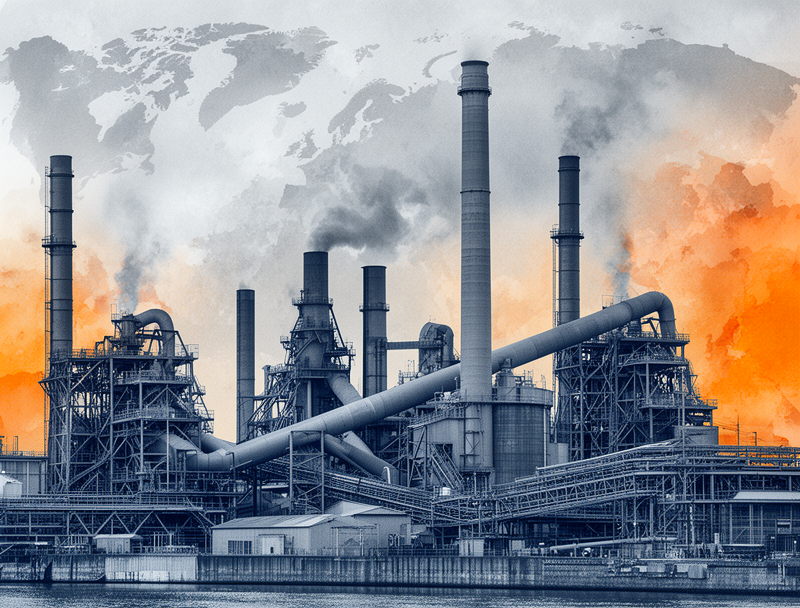
The specific mention of steel and pharmaceutical plants indicates a strategic focus on industries essential for both reconstruction and public health. Steel production serves as a backbone for construction and manufacturing, while pharmaceutical facilities are critical for maintaining medical supplies. When such assets face damage or destruction, the ripple effects extend beyond immediate combat zones. These sectors represent long-term investments that support daily life and economic stability. Consequently, the claim that these locations have been struck suggests a significant escalation in the conflict's scope, potentially disrupting supply chains and local economic output in ways that are difficult to reverse quickly. Such vulnerabilities are often a primary concern for international observers analyzing the region's stability.
Diplomatic Framing and Rhetoric
By labeling certain actors as aggressors, Iranian leadership is attempting to reframe the geopolitical context of the situation. Dismissing the welfare narrative implies that the administration believes security concerns take precedence over humanitarian rhetoric in this specific context. This approach is common in conflicts where state sovereignty is heavily emphasized. It challenges the standard diplomatic protocol where civilian protection is often a primary talking point. Understanding this rhetoric is vital for analyzing how nations justify actions during periods of high tension. It also reflects a broader trend in statecraft where domestic priorities are prioritized over international pressure.
This report draws upon information shared by Al Jazeera Breaking News. Readers interested in the full context and ongoing updates regarding this developing situation can follow the original source at this link.